 how-to
How Do You Keep a Real Estate Closing on Track?
Last Updated: November 1, 2026
Quick Summary
To keep closing deadlines on track, build a shared calendar from your contract dates, assign one owner and one reminder to each milestone, and keep written proof of every step. Set reminders two to three days early, confirm whether your contract counts calendar or business days, and get any deadline change in writing before the date passes.
- Start with the dates already written in your purchase contract, then add the dates your agent and lender set.
- Assign one owner to each milestone so no step depends on someone assuming another person has it.
- Set reminders two to three days before each deadline, not on the due date itself.
- Confirm whether your contract counts calendar days or business days, and note weekends and holidays.
- Request any extension in writing before the deadline passes, and check whether other deadlines also need amending.
Table of Contents
- What a Typical Real Estate Closing Timeline Looks Like
- Build a Closing Deadline Calendar From Your Contract Dates
- Assign Who Owns Each Milestone
- Prepare Your Home Closing Checklist Before Closing Day
- What to Do When a Real Estate Contract Deadline Is at Risk
- How to Request a Closing Date Extension in Writing
- Schedule Your Next Step With Manny Maldonado
- Frequently Asked Questions
What a Typical Real Estate Closing Timeline Looks Like
How long does a real estate closing take? For most financed purchases, the answer is roughly 30 to 45 days from contract to closing. Cash deals often move faster.
According to Zillow's 2026 data on average purchase closing time, the average time to close on a home purchase was roughly 37 days in recent reporting. Your own timeline may be shorter or longer.
Your closing date is set in the purchase agreement, and your agent, lender, and title company work backward from that date to set their own closing deadlines. Read the key aspects of your contract carefully. 3 Important Aspects Of The Purchase Agreement explains the terms that shape your timeline.
Build a Closing Deadline Calendar From Your Contract Dates
A closing deadline calendar is not just a list of dates, it is a working system that turns your purchase agreement into a plan with owners, reminders, and proof that each step was completed. The difference between a smooth closing and a stressful one is whether someone is actually tracking each date against a named owner and a written record.
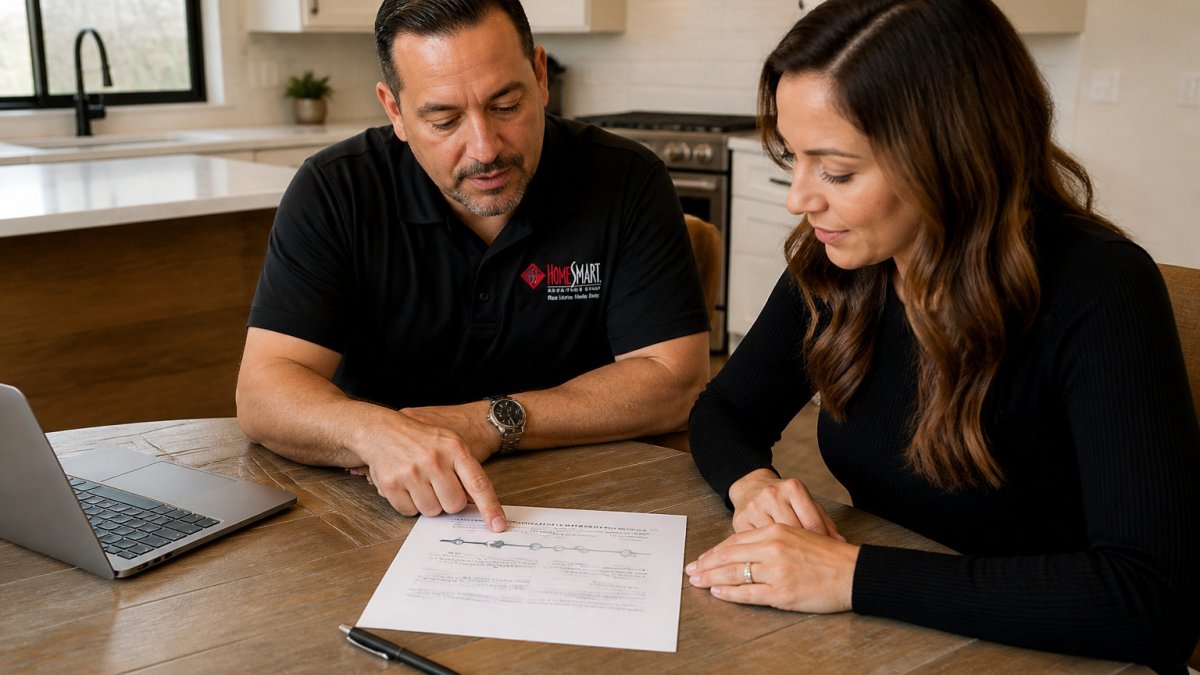
Start with the dates already written in your contract, then layer in the dates your agent and lender will set. A complete calendar typically includes:
- Offer acceptance date (the clock starts here for most contingencies)
- Earnest money deposit due date
- Inspection and due diligence deadline
The four-column tracking method
For each milestone, record four things in one shared place, a spreadsheet, a shared calendar, or a transaction-management app your agent provides:
| Column | What to record | Why it matters |
|---|---|---|
| Due date | The exact contract date, with the counting method noted | Prevents miscounting calendar vs. business days |
| Owner | The single person responsible for the step | Eliminates the "I thought you had it" gap |
| Reminder | A set alert 2-3 days before the deadline | Gives time to act, not just react |
| Proof | The document, email, or receipt that confirms completion | Creates a written record if a dispute arises |
Set reminders two to three days before each deadline, not the morning of. A reminder that arrives on the due date leaves no room to schedule an inspector, gather a missing document, or request an extension.
Calendar days vs. business days, the counting trap
Write the counting method next to each date in your calendar (for example, "10 calendar days" or "5 business days"). If your contract is silent or ambiguous, ask your agent to confirm in writing before the first deadline passes.
Inspection and due diligence period
The inspection period is usually the first big deadline after your contract is signed. During this window, you can have the home inspected and decide whether to request repairs, negotiate, or cancel under the terms of your contract. Read a deeper walkthrough on managing real estate inspections before the clock runs down.
- Schedule the inspection within the first few days so there is time to act on the findings.
- Get the written report back quickly and review it with your agent.
- Send any repair requests before the deadline passes, in writing.
Financing, appraisal, and underwriting milestones
Your loan depends on several steps that other people control. Track each one separately, with its own owner and reminder. Learn the three critical steps of the home appraisal so you know what to expect at this milestone.
- Loan application: Submit complete documents early to avoid delays.
- Appraisal: The lender orders it, and the result can affect your loan amount. Provide property access promptly.
- Underwriting: The lender verifies your income, credit, and assets before final approval.
If the appraisal comes in low, you may need to renegotiate the price or bring more cash to closing. Plan for that possibility early rather than at the deadline.
Digital tools and communication practices
A shared calendar only works if everyone uses it the same way. A few practices prevent most missed handoffs:
- Use one shared calendar or transaction app that the buyer, seller, and agent can all see, not separate personal calendars.
- Confirm every deadline change in writing (email or signed amendment), never by phone alone.
- Keep a single folder for proof of completion: inspection reports, repair receipts, lender emails, and signed amendments.
Assign Who Owns Each Milestone
Many missed deadlines happen because no one clearly owned the task. Decide who is responsible for each milestone before the first deadline arrives.
| Milestone | Usually Handled By | Your Role |
|---|---|---|
| Inspection scheduling | Buyer or agent | Choose a date and attend |
| Repair requests | Agent | Approve the list |
| Appraisal | Lender | Provide property access |
| Loan documents | Buyer and lender | Send documents promptly |
| Title review | Title company | Review any issues found |
| Closing funds | Buyer | Wire funds on time |
| Final walkthrough | Buyer and agent | Confirm repairs are complete |
Confirm these roles with your agent at the start. Ask who will send reminders and who to contact if a step stalls. Clear ownership prevents the "I thought you had it" problem.
Prepare Your Home Closing Checklist Before Closing Day
A home closing checklist helps you show up ready. Most people miss at least one item without one. Understand title insurance before closing day so you know what coverage protects you at closing.
Gather these items in the weeks before closing:
- Government-issued photo ID
- Cashier's check or confirmed wire transfer for closing funds
- Homeowners insurance policy binder
Review your Closing Disclosure carefully. Compare the final numbers to your earlier estimates. Ask questions before closing day, not during it.
What to Do When a Real Estate Contract Deadline Is at Risk
Sometimes a deadline is at risk before it passes. The worst response is to wait and hope it resolves itself. The best response is a clear escalation sequence that protects your contractual position and keeps the other parties informed.
The escalation sequence
- Tell your agent immediately. Speed matters more than having a perfect explanation. Your agent can often resolve a scheduling conflict or missing document before it becomes a missed deadline.
- Identify the cause and the owner. Is it a slow lender, a late inspection report, a missing document from the buyer, or a title issue? Name the specific step and the person responsible.
- Check your contract for the remedy. Find out whether the deadline can be extended, what notice the contract requires, and what happens if it passes without action. Contracts differ, some require written notice before a deadline, others allow a short grace period.
- Request an extension in writing, early. Ask the other party in writing before the deadline passes, not after. A request made after the deadline has less leverage.
- Document everything. Keep copies of all messages, emails, and signed amendments. A written record is your protection if a dispute arises later.
What a missed deadline can actually cost you
The consequences depend on which deadline is missed and what your contract says. Common patterns include:
- Missed inspection deadline: You may lose the right to request repairs or cancel based on inspection findings.
- Missed financing deadline: You may lose the loan contingency, putting your earnest money at risk if the loan does not close.
- Missed closing date: The contract may allow the other party to charge per-diem penalties, declare a default, or terminate, depending on the terms.
Because the consequences vary by contract, read the remedy section of your purchase agreement with your agent before any deadline is at risk, not after.
How to request a closing date extension in writing
If you need more time, request an extension in writing. A clear, specific request is more likely to be approved than a vague one.
Include these details in your request:
- The property address and contract date
- The current closing date
- The new date you are requesting
Your agent can help draft a contract amendment. Once all parties sign, the new date becomes part of the agreement. Extensions are not guaranteed, so ask early and keep the request specific.
Moving the closing date does not reset every deadline
This is the detail most buyers and sellers miss: changing the closing date does not automatically move every other deadline in the contract.
- Dates that often stay fixed: inspection and due diligence deadlines, appraisal contingency dates, and financing deadlines may be tied to the original contract date, not the closing date.
- Dates that usually need a written amendment: the closing date itself, possession date, and any per-diem or penalty provisions.
- Why it matters: if you extend the closing date but let the financing deadline pass unchanged, you may lose your loan contingency even though closing moved.
When you request a closing extension, ask your agent to review every other deadline in the contract at the same time and amend any that need to move with it. A closing-date change is not a blanket reset.
How to Request a Closing Date Extension in Writing
If you need more time, request an extension in writing. A clear request is more likely to be approved.
Include these details in your request:
- The property address and contract date
- The current closing date
- The new date you are requesting
Your agent can draft a contract amendment. Once all parties sign, the new date becomes part of the agreement.
Extensions are common, but they are not guaranteed. Ask early and keep the request specific.
Schedule Your Next Step With Manny Maldonado
Managing closing deadlines is easier with a clear plan and an experienced guide. If you are buying or selling in Tucson or Southern Arizona, Manny Maldonado, REALTOR® with HomeSmart Advantage Group, can help you build a calendar and coordinate inspections, lenders, and title companies.
Call or text Manny at 520-449-2881, or visit mannysellstucsonrealestate.com to start planning your next step.
Frequently Asked Questions
What deadlines should I track when buying a house?
Track the inspection and due diligence deadline, the financing contingency date, the appraisal and underwriting milestones, the date the title search is completed, and the target closing date written into your purchase agreement. Each deadline is typically counted in calendar days or business days, depending on what the contract specifies, so confirm the counting method. Putting every date on one shared calendar that your agent, lender, and title company can see keeps everyone working from the same schedule and reduces the chance that a notice is sent late.
What can cause a real estate closing to be delayed?
Common causes include a lender that has not received all required documents, an appraisal that comes in below the purchase price, title issues such as unresolved liens or ownership questions, repairs requested after inspection that are not finished, and delays in the buyer's funds or insurance binder. Holidays and slow response times from any party can also push a date back. Identifying the likely bottleneck early, usually the lender or the title company, gives you time to act before the deadline passes.
What happens if a real estate closing deadline is missed?
The consequences depend on the contract. Some agreements allow an automatic extension, while others treat a missed date as a breach that can give the other party grounds to cancel or pursue remedies. If a contingency deadline is missed, you may lose protections such as the right to back out for inspection or financing reasons. If you see a deadline at risk, request a written extension before the date passes rather than relying on a verbal promise.
How do I keep a home closing on schedule?
Confirm the target closing date with all parties in writing, set reminders for each milestone several days ahead, and make sure someone is responsible for each task. Respond to lender and title requests quickly, since missing documents are a frequent source of delay. Schedule the final walkthrough for a day that leaves room for last-minute corrections, and keep a copy of every signed document and deadline notice in one place.